National and Global Health Challenges: The Drug Abuse Problem
Part 1
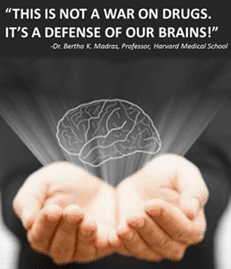
A QUOTE FROM BERTHA MADRAS, Ph.D., IN DEFENSE OF THE BRAIN
On April 14, 2016, at Brookings, a debate was held on whether or not marijuana should be rescheduled as a Schedule 2 drug. David Evans, Esq. and Dr. Bertha Madras argued in favor of keeping marijuana a Schedule 1 drug. (See http://www.brookings.edu/events/2016/04/14-marijuana-rescheduling-debate-hudak .) Dr. Bertha Madras concluded her extensive arguments that she had made during the debate by saying that “there is not the evidence that whole plant marijuana is safe or effective”. Then her extraordinarily eloquent concluding remarks took the debate to a different level. The following remarks that begin at 1 hour and 25 minutes into the program were as follows:
Why do nations schedule drugs?......
Nations schedule psychoactive drugs because we revere this three-pound organ (of our brain) differently than any other part of our body. It is the repository of our humanity. It is the place that enables us to write poetry and to do theater, to conjure up calculus and send rockets to Pluto three billion miles away, and to create i-Phones and 3-D computer printing. And that is the magnificence of the human brain. Drugs can influence (the brain) adversely. So, this is not a war on drugs. This is a defense of our brains, the ultimate source of our humanity.
Dr. Bertha Madras
April 14, 2016
Welcome to the New Home of GordonDrugAbusePrevention.com
The content of these pages has been created as a public service to help address the problem of the use of marijuana and other mood- and mind-altering substances in the United States and around the world.
A purpose of these pages on the drug abuse problem is to help inform the public, the media, and those in positions of public responsibility of the challenges facing the nation and the world as a result of the widespread use of psychoactive and mood-altering substances. These substances include marijuana, other hallucinogens, opiates, fentanyl, and designer drugs. The harmful effects of these substances have not been well understood. In fact, there is great ignorance of the harmful effects of marijuana and other drugs that are being used for experimental or recreational purposes. Information concerning the effects of marijuana on the endocrine and reproductive systems alone should be enough to dissuade anyone from using or promoting the use or the legalization of the use of all substances containing cannabis, CBD, and hemp.
The implications that the harmful effects that these drugs have on the health and well-being of individuals, families, and society are legion. I hope that the material posted here will advance the adoption of a public health-centered approach to dealing with these challenges, an approach that will help ensure the sustainability of the mental, physical, and spiritual well-being of those of all ages, particularly the rising generation that has everything to lose by engaging in drug use and experimentation.
It is a great mistake to legalize the use of marijuana and to otherwise encourage or fail to discourage the recreational and experimental use of these substances. Individuals can be helped to become fully functioning individuals again and not reliant on drug taking. This can be done through providing drug court-type programs and other “in lieu of prosecution” and "in lieu of incarceration-type" programs. Such programs and approaches can provide information, education, early intervention, counseling, treatment and rehabilitation, and other supportive services as needed. Completing such programs should result in the expunging of any accrued justice system record.
The future of the rising generation and of the nation is dependent on making the soundest choices concerning the public policy that should be designed to protect and sustain the health and functioning of individuals and society.
SOME KEY CONCERNS
- Paula D. Gordon, Ph.D., “How Marijuana Use Affects the Brain & Becomes a Factor in Fueling Both Addiction & the Fentanyl and Opioid Crisis, Presentation to the Doctors Federation for the World”, Video Conference Series, October 8, 2023. Click Here
- Paula D. Gordon, “Why Marijuana Legalization is a Very Bad Idea ~ Marijuana as a Contributor to the Opioid Crisis, the Homeless Problem, and Societal Unrest and Its Harm to the Brain, Body, Future Generations, and Environment”, October 22, 2020. See https://acdemocracy.org/why-marijuana-legalization-is-a-very-bad-idea/.
- Paula D. Gordon, Contributor, “The Risks of Marijuana Use”, September 1, 2022. Author: David G. Evans, Esq., Publisher: Americans Against Legalizing Marijuana, http://www.aalm.org .
- “Predictable and Unpredictable Effects of Marijuana” by Paula D. Gordon. Published March 4, 2021, by Moms Strong at https://momsstrong.org/2021/03/04/marijuana-predictable-and-unpredictable-effects/.
- High Truths on Drugs and Addiction Episode #31: “High Truths with Dr. Paula Gordon on Second Hand Marijuana Smoke”, Interviewed by Dr. Roneet Lev, July 26, 2021, at https://hightruths.com/podcast/episode-31-high-truths-with-dr-paula-gordon-on-second-hand-marijuana-smoke/.
- Paula D. Gordon Presentation at the 2016 International Criminology Conference in Washington, DC: A Case for Protecting the Brain: Keeping the Federal Controlled Substances Act in Place and Providing Non-Punitive, Justice System-Based Public Health Options to Address the Use of Marijuana, Opiates, and Other Psychoactive and Mood-Altering Drugs in America", November 14, 2016. Click Here
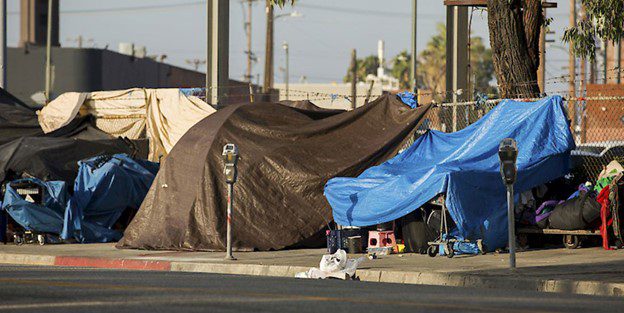
- Paula D. Gordon "Drugs, Homelessness, and a Growing Public Health Disaster" Published December 11, 2019, in DomesticPreparedness.com at https://www.domesticpreparedness.com/healthcare/drugs-homelessness-a-growing-public-health-disaster/ and in the Dom Prep Journal, December 2019.
- Paula D. Gordon, “Cigarette Smoke and Marijuana Smoke as Environmental Health Hazards and Infringements on the Civil Liberties of Those Subjected to Passive Inhalation” and “Two Supplemental Lists of References Regarding Recent Research on Harmful Mental and Physical Effects”, August 4, 1977 with Author Updates, July 19, 2022. Click Here.
[Also see the Letter from Dr. Matthew Springer immediately below concerning the harmfulness of secondhand marijuana smoke.]
A Letter to District of Columbia Mayor and City Council Regarding the Harmfulness of Secondhand Marijuana Smoke
Subject: Regarding DC marijuana smoke policy
Date: February 1, 2016, at 3:02:21 AM PST
To: "Office of Mayor Muriel E. Bowser" <[email protected]>,
The Council of the District of Columbia <[email protected]>
Dear Mayor Bowser and DC Council Members,
I read in the Washington Post about the controversies regarding the regulation of legal marijuana use and about how smoke-free policies should be enforced. Because discussions pertaining to exposure of the public and of pot club employees to marijuana secondhand smoke frequently involve questions of whether or not secondhand marijuana smoke is harmful, I would like to provide you with important information about its effects on the ability of blood vessels to function properly.
My research group at the University of California, San Francisco has studied the effects of tobacco and marijuana secondhand smoke on blood vessel function in rats, under conditions that closely mimic the effects of tobacco secondhand smoke on blood vessels in humans. We have shown that not only does marijuana secondhand smoke impair the proper functioning of the arteries but that its effect is more extreme and longer lasting than that of tobacco second-hand smoke, at reasonable real-world levels. This potentially increases the chances of heart attack and stroke.
We reported our initial results at the 2014 annual American Heart Association conference and are currently submitting a paper for publication, showing that even one minute of marijuana secondhand smoke exposure is enough to cause a drastic reduction in vessel function for at least 90 minutes. Our policy briefing for California about the cardiovascular effects of marijuana smoke is at https://tobacco.ucsf.edu/marijuana-use-and-heart-disease-potential-effects-public-exposure-smoke.
Based on these results, exposing the public to second-hand marijuana smoke in an arena or other public place, or exposing bar/club employees to the smoke, may put them at greater risk than if tobacco smoking were allowed in that space. I hope that you will continue to protect the public from unwanted exposure to smoke from any source, be it tobacco or marijuana. I have written a short letter to the editor of the Post as well. Please feel free to contact me for more information.
Respectfully,
Matthew L. Springer, Ph.D.
Professor of Medicine, Division of Cardiology, Cardiovascular Research Institute
Broad Center of Regeneration Medicine and Stem Cell Research
Center for Tobacco Control Research & Education
Helen Diller Family Comprehensive Cancer Center
University of California, San Francisco
Phone (415) 502-8404
[email protected]
http://cardiolab.ucsf.edu/molcardiolab/

THREE ONLINE COURSES OFFERED BY AUBURN UNIVERSITY OUTREACH:
Course Developer and Instructor: Paula D. Gordon, Ph.D.:
- 1) A 3-Week Course on "The Effects & Impacts of Marijuana Use: Policies & Approaches Addressing the Challenges" (3 CEU credits)
Course Description:This three-week online course has been designed to help arm those who are concerned about the harmful effects of marijuana and about the negative individual and societal impacts of the legalization of marijuana is having on individuals, families, communities, and society. The course has also been designed to help facilitate drug abuse prevention, expanding the knowledge and understanding of those who are working to address the problem of recreational drug use and addiction in America so that they can be as successful as possible in their efforts. The course is also designed to help those in a position of public responsibility understand the wide range of harmful mental and physical effects of marijuana as well as societal impacts. The course also highlights policy and program options that have been working and what options might be tried to achieve the hoped-for outcome of turning around current trends involving the use of marijuana in America.
Next Dates Being Offered: To Be Announced 2024
Registration Fee: $300 (Discount of 10% to groups of five or more when one person registers for the members of the group.) For more information and to register, go to http://www.auburn.edu/outreach/opce/marijuana.htm and http://www.auburn.edu/outreach/opce/marijuana.htm#registration or call(334) 844-5100.
https://www.domesticpreparedness.com/healthcare/drugs-homelessness-a-growing-public-health-disaster/ and in the Dom Prep Journal, December 2019.
- 2) A 4-Week Online Course on A National Public Health Disaster: Drug Abuse, Addiction, and the Opioid Crisis ~ The Role That Marijuana Use & Legalization Are Playing (3 CEU credits)The role that exposure to and the use of marijuana are playing in the opioid epidemic will be highlighted along with the role that cartels and the black market are playing. The tendencies of public officials to narrowly define the problem and not see the role that marijuana and poly-drug use are having in the drug addiction and opioid crisis are highlighted in the course. A broader way of defining the challenges associated with drug-taking behavior and addiction will be featured, along with exemplary approaches to addressing the Drug Crisis.
Next Dates Being Offered: To Be Announced 2024
Registration Fee: $400. 10% discount for five or more from the same organization when registered by one person from that organization. For more information and to register, go to http://www.auburn.edu/outreach/opce/emergencymgmt/#courses and https://opce.catalog.auburn.edu/courses/c190128 or call (334) 844-5100
- 3) A 3-Week Online Course on Transforming and Leading Organizations ~ Ethics, Problem-Solving, and Strategy (3 CEU credits)Course Description:"Transforming and Leading Organizations" is designed to help leaders, managers, and drug abuse prevention activists, as well as others in other fields, hone their abilities and problem-solving skills in ways that help them have greater success in accomplishing their goals. Approaches to fostering healthy change; utilizing educational change strategies; communicating effectively; understanding the perspectives of those with differing values, information, and objectives; and resolving conflicts will all be addressed in the course. A focus of the course is on how these approaches can be applied most effectively to addressing problems or external to organizations, such as the drug crisis. For a copy of the article that has given the course its name, see "Transforming and Leading Organizations," published in Government Transformation, Winter 2004-05 issue posted at http://users.rcn.com/pgordon/homeland/transforming_orgs.pdf or see link at http://gordonhomeland.com.
Next Dates Being Offered: To Be Announced 2024
Registration Fee: $300. 10% discount for five or more from the same organization when registered by one person from that organization. For more information and to register, go to http://www.auburn.edu/outreach/opce/tlo/ and http://www.auburn.edu/outreach/opce/tlo/#schedulereg or call (334) 844-5100.
NOTE: Regarding the Three Courses:
All courses are taught on a pass/not pass basis. All are offered in asynchronous, rather than “real” time. All assigned materials are accessible for free online or on the course website.
Endorsements for drug problem-related courses
From Amy Ronshausen, Executive Director, Drug Free America Foundation, Inc.:
The course was really great! I really enjoyed it...
From Stephanie Haynes, Greater New Orleans Drug Demand Reduction Coalition SOS – Save Our Society from Drugs - Florida, Texas, Louisiana:
Wow! This is a terrific opportunity! Educators, social workers, those in the Criminal Justice system, policymakers, legislators, and community volunteers all need to take this course!! …I want to introduce you to Dr. Paula Gordon who developed this course on the harms of marijuana. We need to spread the word to all our colleagues about the value and importance of having this information, especially today in light of all the pro pot misinformation… Great Opportunity! A three-week online course on Harms of Marijuana begins soon. Sign up today! Please help spread the word, especially to those in the prevention and treatment fields!
From Dr. Joe Godfrey, Executive Director of Alabama Citizens Action Program (ALCAP) & American Character Builders:
Thank you for providing such great instruction! The resources you provided and the ideas you “spurred” in my mind that will help me with my work in the future were invaluable… Thanks for a very interesting class! I have gained new insight that I believe will help me going forward….. As my first-ever online class, you made it easy and fun!
From Susan J. Short, Executive Director Covington County Children’s Policy Council Coalition Lurleen B. Wallace Community College Child Development Center Andalusia, Alabama:
The resources you’ve shared with all of us are a real boost to my program. Thank you so much! Thanks for the additional tips and references on understanding the perspectives of many people that are pro-legalization. I think many times people just aren’t informed or perhaps they heard some information on television and assumed it was correct…
From Roger Morgan, Founder of the Take Back America Campaign:
Dr. Paula Gordon, an instructor for Auburn University’s Outreach, is offering an inexpensive online course on marijuana that I think is beneficial to everyone engaged in the battle to save our kids and nation from this insidious drug. Given the problems we have with marijuana in California, I highly recommend this course for anyone seeking to improve their knowledge.
From Anne Hassel PT, previous marijuana user and marijuana industry worker, Massachusetts:
Dr. Paula Gordon’s courses were critical to my fully comprehending not only the harmful properties of marijuana but also the societal elements and public policy that allowed this destructive addiction-for-profit industry to spawn and flourish. Her Effects of Marijuana course is a must for anyone involved in the marijuana prevention effort due to the wealth of information and resources presented. Dr. Paula Gordon’s effective personal instruction enables a layperson, such as a concerned parent, teacher, or anyone questioning the health and safety of marijuana, a solid foundation in understanding the complexity of marijuana in our culture. The information and benefits I received in this course inspired me to take Dr. Paula Gordon’s Drug Addiction and Opioid Crisis Course, further enhancing my knowledge, personal development, and ability to assist in marijuana prevention efforts.
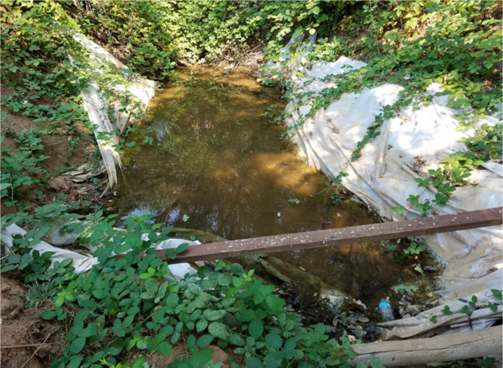
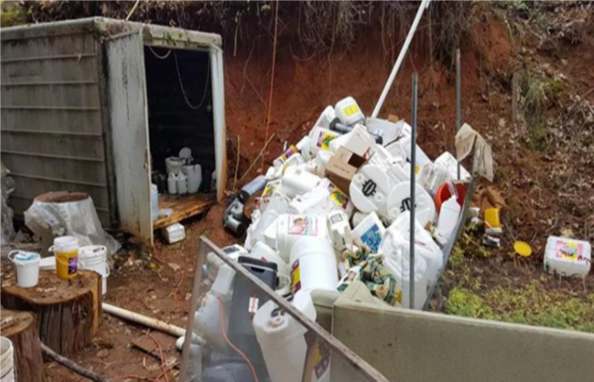
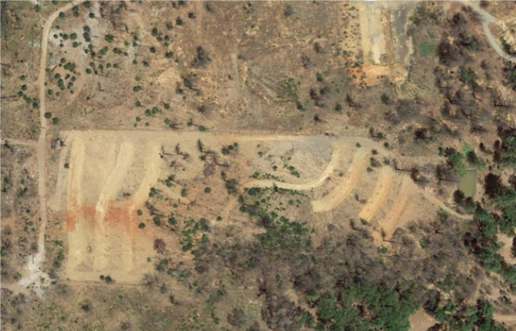
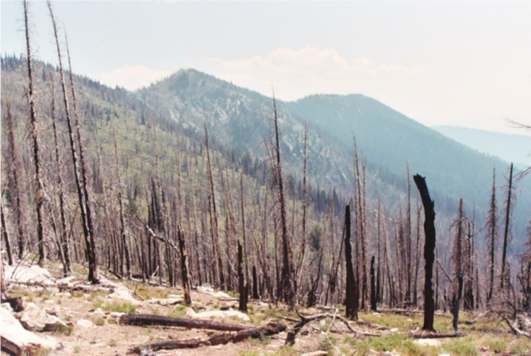
The Extraordinarily Costly Environmental Damage by Marijuana Growth
According to Roger Morgan of Take Back America, “..in California alone, the projected reclamation cost, if even possible, is $50 to $80 billion. That won't bring the wildlife back, or cleanse the water tables and watersheds serving millions of people and farm animals. The social, environmental, and economic costs are vastly in excess of alcohol and tobacco. So are the human harms.”
Click here for an October 2017 report that cites the environmental as well as other impacts that continue to this day in the many places where marijuana is grown in California and elsewhere. The report is entitled "Cultivating Disaster: The Effect of Cannabis Cultivation on the Environment of Calaveras County”. The report is from Dennis Mills, The Office of District 4 Supervisor of Calaveras County and prepared with The Communications Institute.
Published Work by Dr. Stuart Reece and Others on the Risks Posed by Cannabis Use
Click here for an extensive list of published work by Dr. Stuart Reece and others on the teratogenic, genotoxic, arteriopathic, congenital abnormalities, and other physical effects of cannabis use.
References and Resources Concerning the Harmful Effects of Marijuana
For extensive current lists of references concerning the harmful effects of marijuana, see especially the websites of the following organizations:
- The International Academy on the Science and Impact of Cannabis at http://IASIC.org
- Americans Against the Legalization of Marijuana at http://AALM.info.
- Cannabis Industry Victims Educating Litigators (CIVEL) (See http://civel.org and http://AALM.info)
- Smart Approaches to Marijuana at learnaboutsam.org
Other Additionally Helpful Websites about Substance Abuse
- High Truths.com at http://www.hightruths.com
- American Council on Addiction and Alcohol Problems at http://acaap.us/
- American Character Builders at http://americancharacterbuilders.org
- Prevent, Don't Promote at http://www.preventdontpromote.org
- Aubree Adams, Former Colorado mom and host mom for youth in recovery at http://www.EveryBrainMatters.org
- Drug-Free America Foundation, Inc. at http://www.dfa.org
- Janet Rowse, at http://www.SafeLaunchHealthyFutures.org
- The Marijuana Report.Org at http://www.themarijuanareport.org
- Institute for Behavior and Health at http://ibh.org
- National Association of Drug Court Professionals at http://nadcp.org
- Parents Opposed to Pot at http://poppot.org
- Stop Pot at http://stoppot.org
- Moms Strong at http://momsstrong.org
- Johnny's Ambassadors at https://johnnysambassadors.org/
- Marijuana Victims Alliance at http://mvaa.info
- Driving Under the Influence of Drugs (DUID) DUID Victim Voices at http://www.duidvictimvoices.org